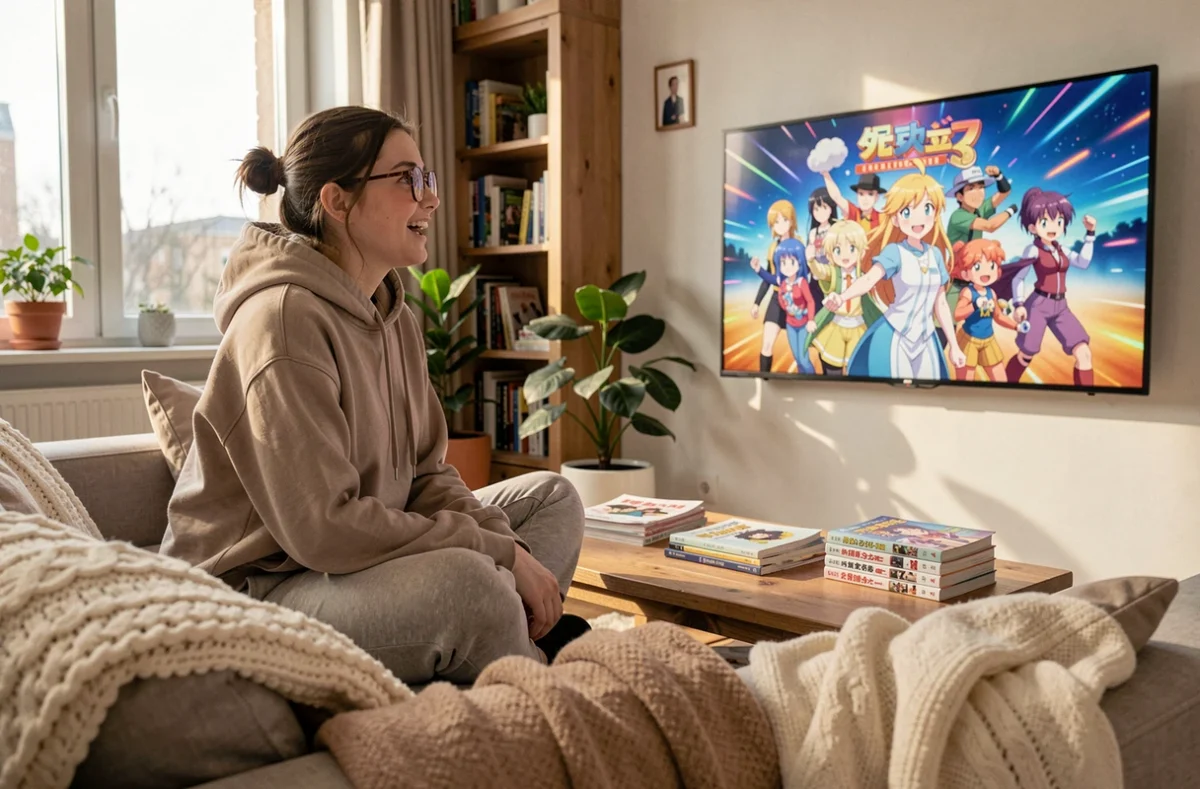
Watching anime online, in French dub or with French subtitles, means finding a reliable platform that offers the title you want in the right language version. A service’s catalog does not always guarantee that every season or dub is available. Before subscribing or creating an account, checking that the exact series you’re looking for is available can save you a lot of frustration.
Anime streaming rights and catalogs: what really determines access to a series
Have you ever noticed that an anime available on one platform disappears a few months later? It’s not a bug. Streaming rights are negotiated title by title, sometimes season by season, and vary by region.
Two services may each list several hundred anime without sharing the same series. A Crunchyroll subscription does not give you access to the same titles as ADN, and vice versa. An anime’s availability depends on the rights acquired by each platform, not on the overall size of its catalog.
Before choosing, the most reliable approach is to search for the specific title on each service. Enter the series name in the platform’s search bar and check two things: how many seasons are available and whether it offers a French dub or French subtitles. An anime listed in the catalog may only be available in its original language with subtitles, without a French dub.
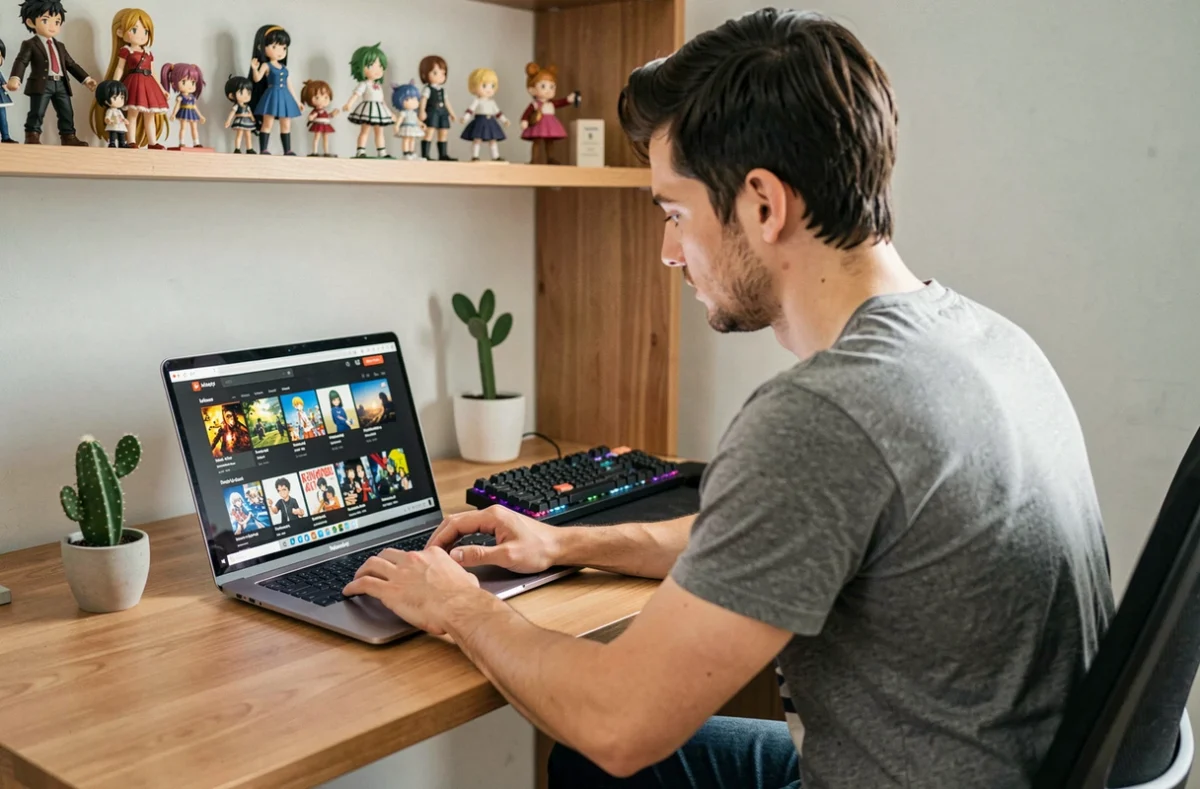
For fans looking to discover WawAnime online, the platform stands out for letting users watch anime in French dub or with French subtitles using an integrated player. The app also offers notifications about new episode releases, making it easier to keep up with currently airing series.
Free anime streaming: fragmented offerings and practical limitations
Free, legal access to anime is available, but it is rarely comprehensive. Services such as ADN and M6+ offer a selection of titles that can be watched without a subscription, often with ads before or during playback.
Free access generally does not cover an entire series. A few episodes or a first season may be available, while watching the rest requires a paid subscription. This model serves as a preview to encourage users to upgrade to a premium plan.
WawAnime takes a different approach, providing access to a catalog of anime in French dub and with French subtitles through its app. The integrated video player also lets you cast content to a TV, and direct downloads from the app are available for offline viewing.
Criteria for evaluating a free anime service
- How many seasons are actually available for free, not just how many titles are listed in the catalog
- Whether there are ad breaks and how often they appear (before an episode, during playback, or both)
- The video quality available on the free plan, which may be limited to standard definition while the paid plan offers high definition
- Whether free episodes are available with a French dub or French subtitles
Legal anime platforms in France: compare more than just the price
Crunchyroll, ADN, Netflix, Amazon Prime Video, and Disney+ all offer anime, but their catalogs and business models differ in several practical ways.
Crunchyroll remains the go-to service for simulcasts, meaning episodes are released just hours after they air in Japan. ADN, which grew out of a partnership between French publishers, emphasizes an ad-free experience for subscribers and offers a catalog focused on French-licensed titles.
Netflix and Amazon Prime Video include anime as part of broader entertainment offerings. Their anime catalogs are smaller, but sometimes include exclusive productions. Disney+ focuses on a handful of specific franchises rather than aiming for a comprehensive selection.
Choose based on the type of anime you’re looking for
Your choice of platform depends less on the monthly price than on the type of series you want to watch. Fans of simulcast shonen anime (Naruto, Dragon Ball, One Piece) will find more to enjoy on Crunchyroll or ADN. If you only watch anime occasionally, you may prefer a general-purpose service that’s already included in an existing subscription.
Always check that the exact title is available before subscribing. Catalogs change every month as rights are acquired and expire.

Mirror sites and blocks: why URLs keep changing
Unofficial streaming sites regularly change their URLs. This is due to action by ARCOM, France’s audiovisual and digital communications regulator.
After a court order to block a site, ARCOM can extend blocking and delisting measures to mirror sites that reproduce the content under a new URL. This makes access unstable and unpredictable for users.
One point that is often misunderstood: ARCOM’s graduated response (the warnings sent to internet users) targets peer-to-peer file sharing, not streaming or direct downloads. The fight against illegal streaming sites relies on other legal tools, including court orders requiring internet service providers to block access.
Practical consequences for viewers
- A URL that works one day may become inaccessible the next without warning
- Mirror sites pose greater security risks (redirects, intrusive ads, lack of encryption)
- There is no guarantee of video quality or accurate subtitles
Legal platforms, whether free with ads or paid, offer reliable access and playback quality that unofficial sites cannot provide consistently over time. Service reliability matters just as much as catalog size when you’re following a series week after week.