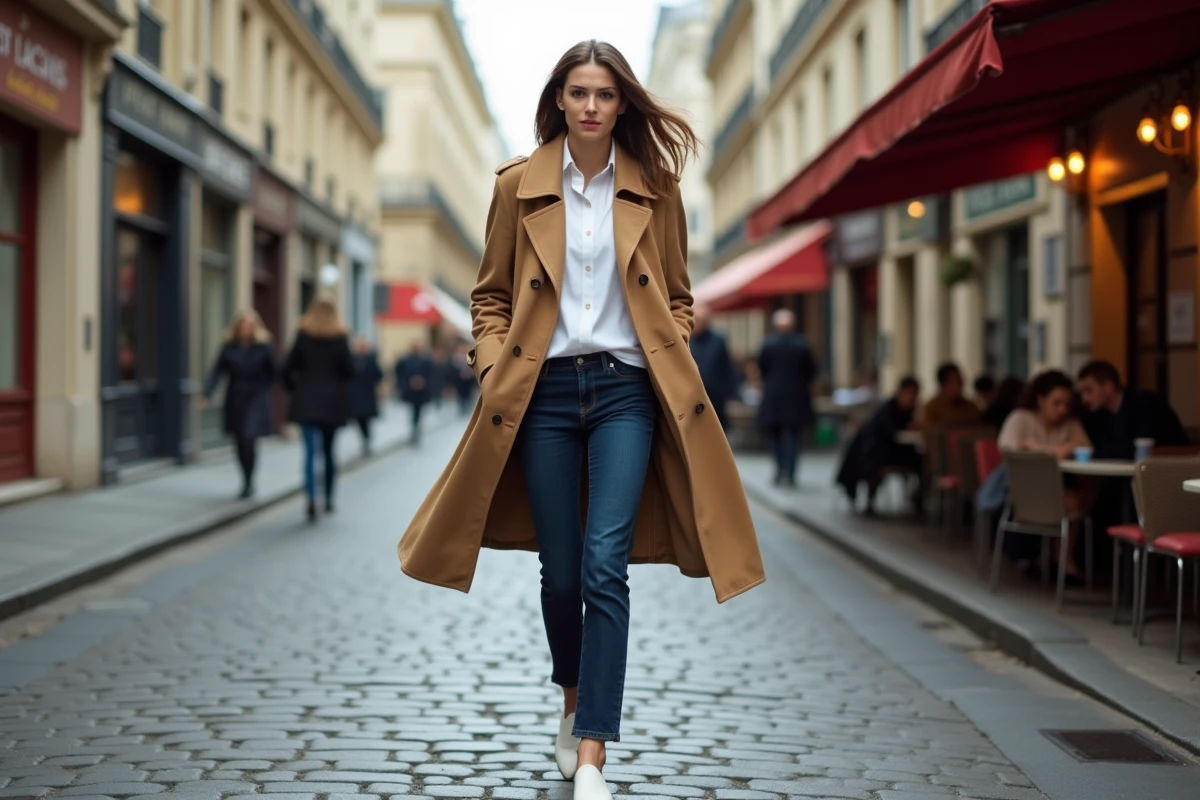
Adopting a fashion trend without being able to wear it to the office, in the rain, or on a tight budget is like buying a beautiful book that you will never read. The fashion trends that really matter are those that work in real life, with its constraints of time, weather, and body shape.
Adapting fashion trends to a daily routine constrained by work and budget
Have you ever fallen for a piece spotted on a runway, only to leave it at the back of your closet because it wasn’t suitable for the office? The problem doesn’t lie with the garment, but with the filter we forget to apply before purchasing.
The first filter is the frequency of use. A trendy piece that can only be worn in a specific context (evening, vacation, casual weekend) rarely justifies the expense. Prioritizing pieces that can be worn at least three days a week radically changes the cost-effectiveness of a wardrobe.
The second filter concerns the professional dress code. A structured wide-leg pant, for example, works just as well in a meeting as it does on a terrace. A long flowy dress can be worn with sneakers on Saturday and closed shoes on Monday. This type of versatility transforms a fleeting trend into a sustainable investment.
The third filter is the price per use. A low-cost garment worn twice ends up costing more than a quality piece worn forty times. Before comparing labels, it’s helpful to explore the Blog Autonome site to find analyses on pieces that truly stand the test of time.
Building a coherent wardrobe rather than following every trend
This season’s fashion highlights coordinated sets, fluid cuts, and bold colors. All these proposals have one thing in common: they work better when integrated into a thoughtfully planned wardrobe.
The principle of a core set of pieces
A coherent wardrobe is based on about ten garments that can be effortlessly combined. Practically, this means choosing a limited color palette, then adding one or two seasonal pieces to refresh the style without changing everything.
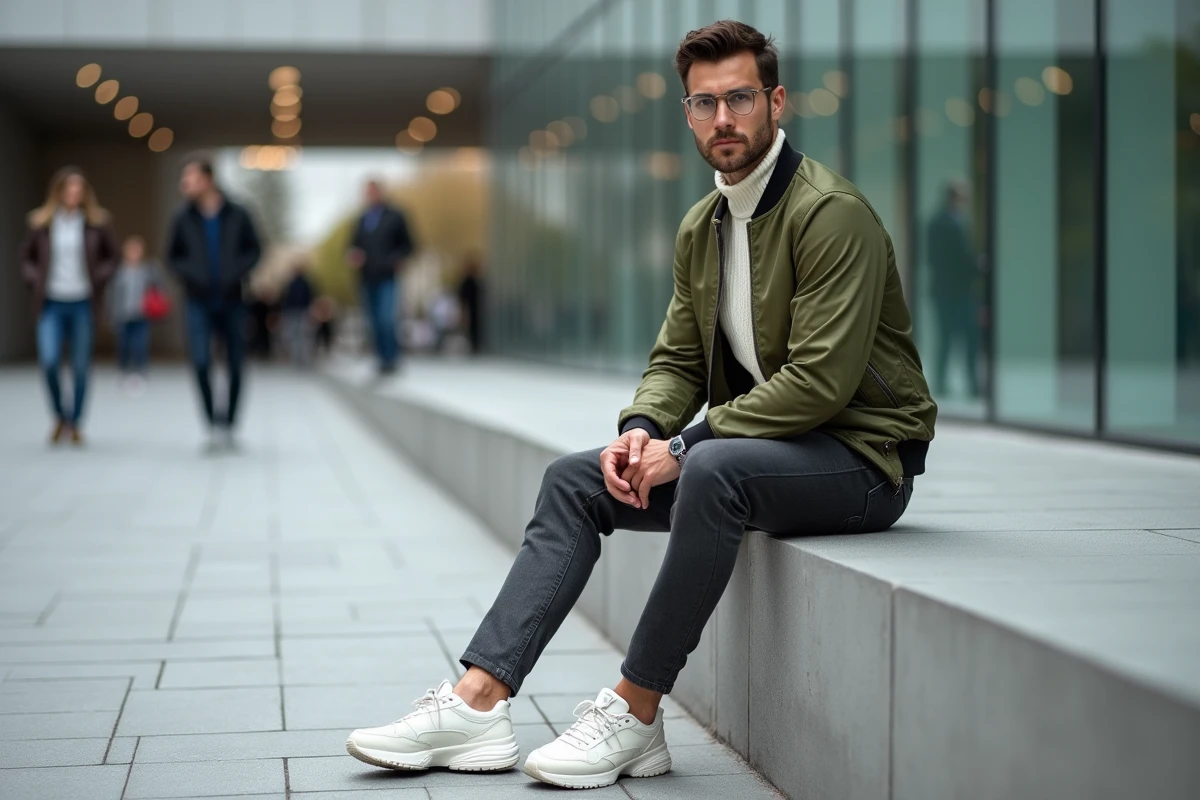
For example, a core made up of neutral tones (off-white, navy blue, beige) easily accommodates a piece in a brighter color, such as butter yellow or olive green, without throwing off the balance. A good wardrobe absorbs trends without depending on them.
Timeless pieces
Some cuts return every year because they meet a real need. The structured wide-leg pant is one of them: its cut offers comfort while remaining dressy. The long flowy dress also fits this description, worn with a short jacket when the weather cools down.
The trap would be to bet everything on a single standout piece. It’s better to spread the budget across several complementary garments that extend the lifespan of each outfit.
Body shape and daily style: adjusting trends to your silhouette
A trend only makes sense if it fits well on the body wearing it. The wide cuts, very present this season, suit some silhouettes but overwhelm others. A few concrete guidelines help sort through this.
- Thin silhouette with little hip: wide pants create volume at the bottom and balance the silhouette. Coordinated sets in fluid fabric add presence without rigidity.
- Hips more pronounced than shoulders: a long flowy dress in matte fabric glides over curves without clinging. Paired with a structured accessory (a rigid bag, a thin belt), it gives structure to the look.
- Broader bust than lower body: V-neck cuts elongate the torso. High-waisted pants with a tucked-in top redefine the waistline.
The goal is not to correct anything, but to choose cuts that highlight what you prefer. Trends are a menu, not an obligation.
Seasonal colors and accessories: what truly changes a look
The colors announced each season impress on the runways. In daily life, their adoption comes in measured doses. Wearing a bright color from head to toe requires confidence and an appropriate context. Introducing it through a single accessory or piece is often enough to refresh a style.
Colors that work in a professional context
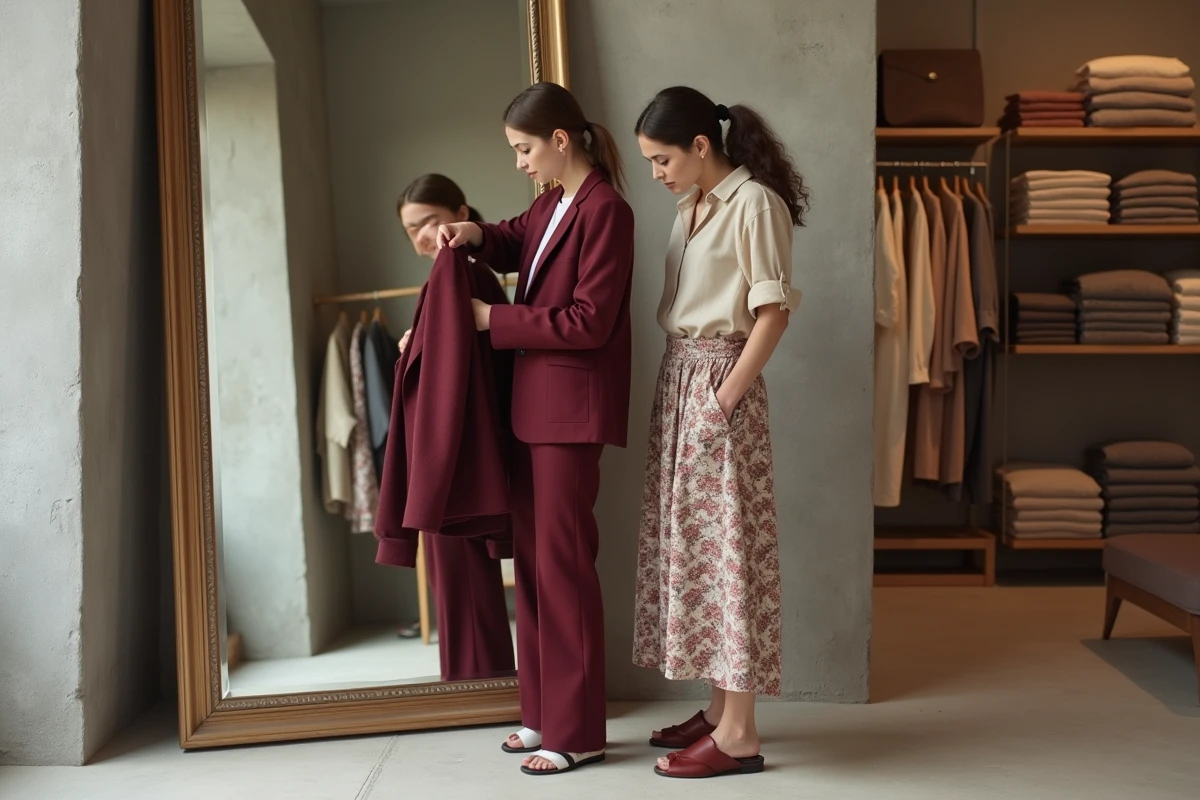
Natural shades (beige, off-white, sky blue) remain the easiest to integrate into a work environment. They mix well together and can accept a more intense color accent, such as a warm-toned bag or shoes.
Olive green works well as an alternative to classic khaki. A single colored piece per outfit avoids the costume effect and keeps the look readable.
Accessories as an accessible style lever
Changing a bag, belt, or piece of jewelry alters the perception of an outfit without touching the main wardrobe. It’s the most economical lever to follow a trend without investing in a complete garment.
Expressive accessories (brooches, structured earrings, printed scarves) serve as markers of personality. They allow you to test a style before committing to more expensive pieces.
Affirming your style daily doesn’t come from accumulating trendy pieces, but from precise choices that take real life into account. A well-chosen garment is worth more than five impulsive purchases, and that may be the only fashion rule that never changes with the seasons.