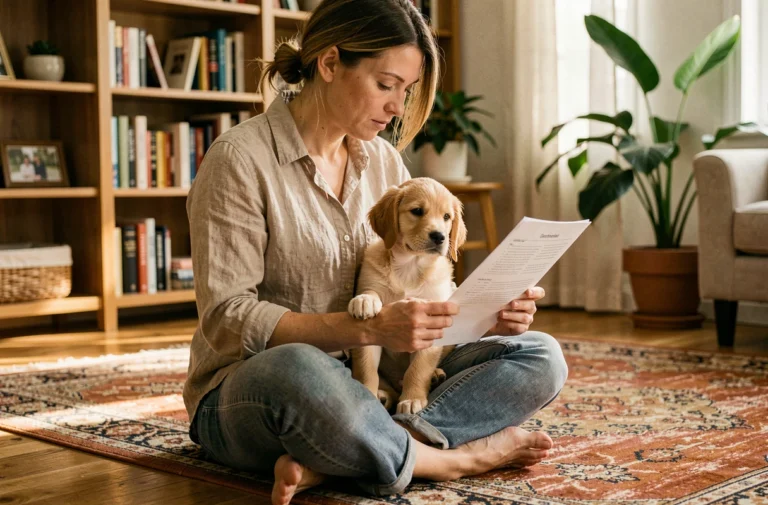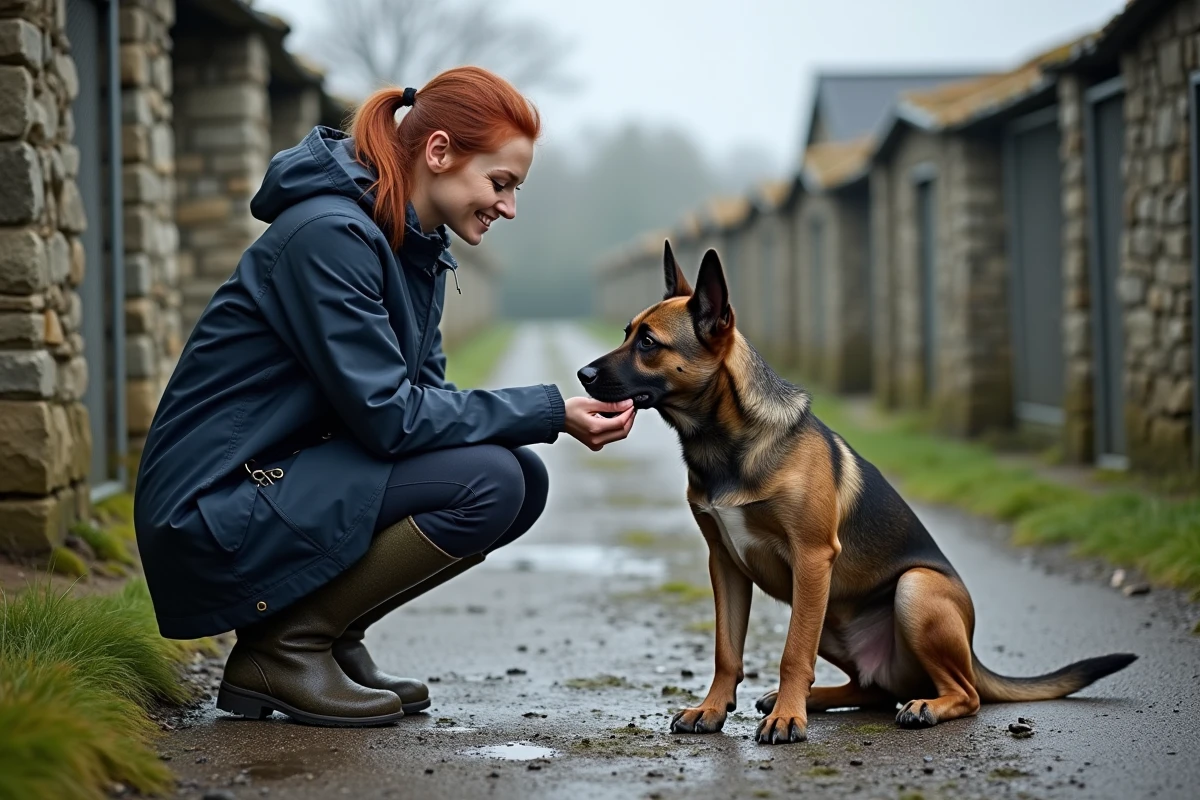
A couple with a garden in Rennes, a student sharing a flat in Brest, a blended family near Quimper: each adoption situation in Brittany presents different constraints. Adopting a dog in this region means navigating a dense network of shelters, validation procedures that have tightened in recent years, and a profile of available animals that has significantly evolved since the post-Covid period.
Profile of dogs available in Breton shelters: what has changed
Since 2023, Breton shelters (SPA 35, SPA de Cornouaille, Fonds Saint-Bernard among others) have reported a rise in the abandonment of young but already adult dogs. Many animals adopted during the lockdown have been returned due to daily constraints or the rising cost of living.
In practical terms, this means that the dog available in a shelter is no longer necessarily a senior or an older mixed breed. Regularly, dogs aged one to three years are found, often socialized but with educational gaps due to a lack of structure in their first home.
Breton shelters are also increasingly highlighting dogs that are considered “difficult to place”: seniors, disabled animals, or stigmatized breeds. Since 2024, dedicated campaigns on social media, reduced adoption fees, and personalized post-adoption support have facilitated these placements. For those looking to adopt a dog in Brittany with Little Breizh, this updated landscape helps to target the right contact based on the type of dog sought.

Pre-adoption questionnaire and visit: the real process in Côtes-d’Armor and Finistère
The shift towards more regulated adoptions is clear. In Côtes-d’Armor and Finistère, many shelters now require a detailed questionnaire and sometimes a home visit before validating an application. This is not a formality: adoptions are refused every month.
The questionnaire covers very concrete points: size of the housing, presence of a fenced garden or not, number of hours absent per day, other animals in the household, past experience with a dog. Some shelters also ask for family composition and the ages of children.
What the pre-adoption visit checks
- The condition of the fence or terrace if the dog will have access to the outside (a low fence or a poorly closed gate can block an application)
- The presence of a dedicated space for the dog’s sleeping area, away from high-traffic zones
- The consistency between the lifestyle described in the questionnaire and the reality of the housing (a T2 without a balcony for a large dog raises questions)
- Potential domestic dangers for a stressed animal in the adaptation phase (unsecured pool, accessible toxic products)
Feedback varies on this point: some adopters find the process intrusive, while others find it reassuring. In any case, preparing your home before submitting the application saves time and avoids an unnecessary refusal.
Breton family breeders: a regulated alternative for a purebred puppy
In Brittany, there is a rise in very specialized family breeders, particularly for LOF Australian shepherds. These structures do not limit themselves to selling a puppy: they offer extended support for adopters, including educational follow-up, behavioral advice, and sometimes group training sessions.
The difference with a general classified ad is tangible. A serious family breeder provides a complete health record, the genetic test results of the parents, a clear transfer contract, and remains reachable during the first months. This is a higher financial investment than adopting from a shelter, but the framework reduces the risks of unpleasant surprises regarding health or temperament.
Shelter or breeder: concrete selection criteria
The choice is not just about “saving a dog” versus “buying a puppy.” Here are the real decision-making criteria:
- The time available for education: a puppy requires several months of daily work, while an adult from a shelter is often house-trained and knows the basics
- The predictability of adult size and temperament: a LOF dog offers documented genetic framework, while a shelter mixed breed holds more unknowns regarding final size or energy level
- The initial budget: adoption fees in shelters generally cover identification, sterilization, and initial vaccinations, for a much lower amount than the price of a purebred puppy
Administrative procedures and certificate of commitment: what often blocks the process
Since the law of November 30, 2021, any acquisition of a pet requires the signing of a certificate of commitment and knowledge. This document, signed at least seven days before the actual adoption, certifies that the future owner is aware of the species’ needs and legal obligations.
In Breton shelters, the certificate is integrated into the process and provided at the first appointment. For a purchase from a breeder, it is the breeder who provides it. The seven-day period is non-negotiable: you cannot leave with a dog on the day of the first visit.
Documents to gather before D-Day
Prepare an ID, a recent proof of residence, and, if you are a tenant, a certificate from the landlord allowing the keeping of a pet (some leases prohibit this for large or categorized dogs). The shelter or breeder will provide you with the veterinary certificate, health record, identification document (microchip), and the signed certificate of commitment.
Check the pet clause of your lease before any steps: this is the primary reason for returns to shelters in the weeks following adoption, and a point that many future adopters discover too late.
Adopting a dog in Brittany today involves a more structured process than five years ago. Shelters are filtering more, family breeders are providing longer support, and the legal framework imposes a reflection period. Taking this time, preparing your application, and adapting your home before the first visit remains the best way to prevent a dog from returning to the shelter a few months later.